Lucy Calkins Units of Study for Teaching Reading Grade 3
Units of Written report for Teaching Reading
A Workshop Curriculum for Kindergarten–Grade 5
High Expectations, Achievable Goals
The reading units of study assistance teachers provide their students with teaching, opportunities for exercise, and physical doable goals to help them run into and exceed any set of high standards.
Proven Tools and Methods
It is an understatement to say these units have been piloted many times. The teaching in these books has been planned, taught, revised, and retaught, through a bicycle of improvement involving literally thousands of classrooms in schools dotting the earth.
A Clear Instructional Arc
Each reading unit represents about five to vi weeks of teaching, structured into three or iv "bends in the road." Rather than tackling the entire journey all at once, it'southward easier to embark on this series of shorter, focused bends, pausing between each to regroup and prepare for the next.
The ten Essentials of Reading Instruction
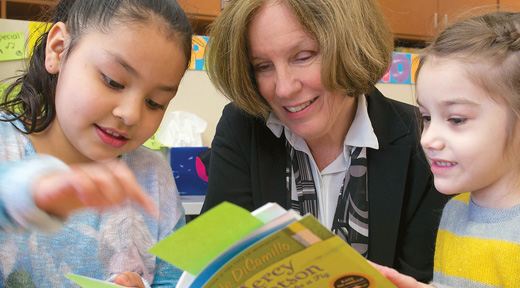





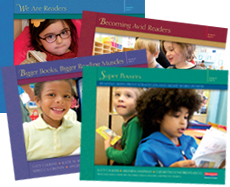
Units of Study
Grades K–ii include one foundational unit of measurement and iii other units to address reading fiction and informational texts. Grades 3–5 each include two units in reading fiction and two in reading advisory texts.
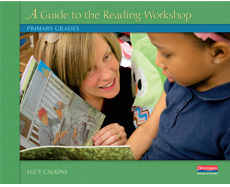
A Guide to the Reading Workshop
Describes the essential principles, methods, and structures of effective reading workshop instruction. (Available for separate purchase—ideal for administrators and coaches who are supporting implementation of Units of Written report.)
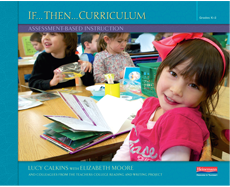
If...And then...Curriculum:
Cess-Based Instruction
Abbreviated versions of additional units help teachers meet specific instructional needs.
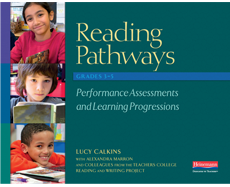
Reading Pathways:
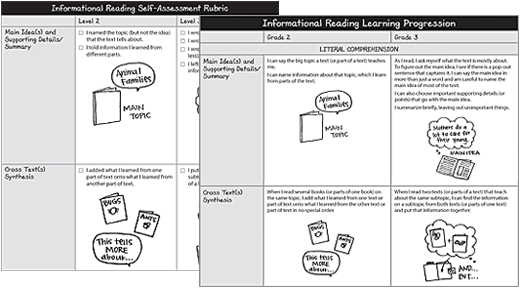
Performance Assessments and Learning Progressions, Grades three–5
Puts a system for assessing reading into teachers' hands and into the hands of students.
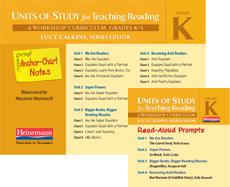
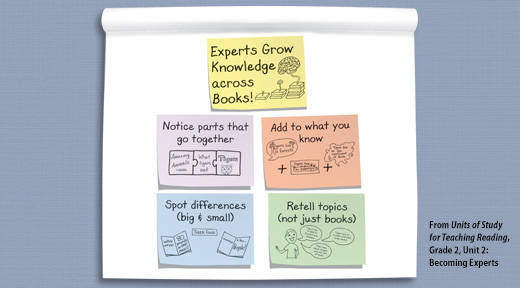
Ballast Nautical chart Sticky Notes (Grand–5) & Read-Aloud Viscid Notes (K–2)
Large-format viscous notes help teachers create and evolve anchor charts across the units and preprinted viscous notes for grades M–2 highlight possible teaching points during read-alouds.
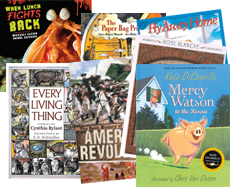
Trade Volume Packs
(recommended optional purchase)
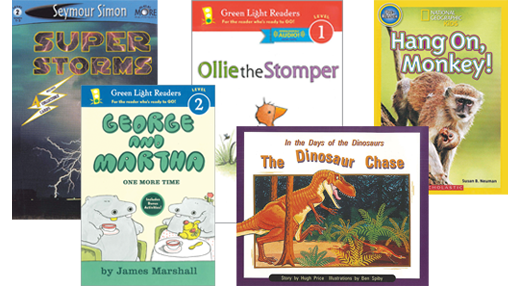
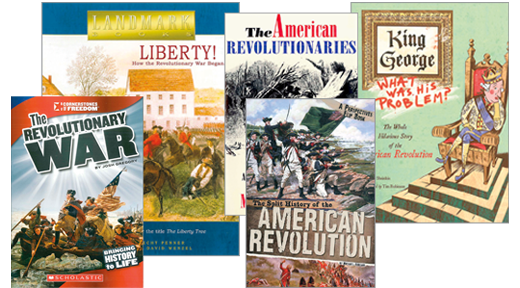
Used as demonstration texts for teachers to model the skills and strategies students will endeavour. Some of these books are also used for read-aloud and shared reading.

Online Resources
A treasure chest of resources, including bibliographies, short texts, reproducible checklists, pre- and mail-assessments, homework, mentor texts, videos, and Web links.
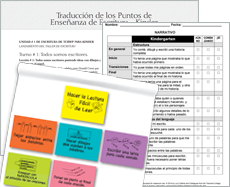
Online Resources - Spanish Translations
Castilian translations of resource such as teaching points, anchor charts, and student self-cess resources are provided, along with lists of Spanish-language mentor texts.

Grade-Level Video Orientations
In these video courses, Lucy Calkins and her colleagues provide an overview of the units along with tips and guidelines to aid teachers become off to a skillful beginning.
Frequently Asked Questions (FAQs)
Overview
- Serial Overview Pam Smith (nineteen:03)
- Why do a reading workshop? Lucy Calkins (1:59)
- What is dissimilar in the new Units of Written report for Instruction Reading? Lucy Calkins (ane:11)
- How are the reading and writing units connected? Katie Clements, Kelly Boland Hohne (2:33)
- What is the basic construction of the Units of Study for Instruction Reading? Lucy Calkins (two:06)
- How is explicit instruction woven throughout the Units? Lucy Calkins (2:04)
- How are the Learning Progressions used to raise the level of students' reading in grades three-five? Lucy Calkins (ane:48)
- What are some examples of reading units that directly align with writing units? (intermediate grades) Katie Clements, Kelly Boland Hohne (5:15)
Getting Started
- Advice for unpacking your new units box. Lucy Calkins (1:34)
- Applied communication for ramping upwardly in your starting time yr with the units. Lucy Calkins (iii:39)
- Classroom Videos from TCRWP
Grade-Level Support
- How do the units aid kindergarteners get started learning to read? Natalie Louis (three:00)
- How does instruction progress beyond the kindergarten units? Natalie Louis (2:44)
- How does instruction progress across the starting time grade units? Elizabeth Dunford Franco (two:53)
- How is reading developed across the second grade units? Amanda Hartman (v:51)
Back up for Specific Topics
- How do the primary reading units teach the reading process? Natalie Louis (ane:32)
- How are students supported in applying word study learning in the units? Katie Wears, Lindsay Barton (3:35)
- How are tools used within the units to back up teaching and appoint students? Elizabeth Dunford Franco, Marjorie Martinelli (5:fifty)
- How is shared reading addressed in the units? Lauren Kolbeck, Angela Baez (1:46)
- How is read-aloud supported inside the units? Lauren Kolbeck, Angela Baez (2:eleven)
- How are nonfiction reading skills developed across the intermediate units? Katie Clements, Kathleen Tolan (17:16)
- How is graphic symbol taught across the units? Katie Clements, Kathleen Tolan (12:28)
- What should teachers think about as they set upward classroom libraries? Lauren Kolbeck, Angela Baez (2:09)
Leadership
- How can administrators assistance teachers succeed with the units? Lucy Calkins (iii:05)
- How can administrators support communities of learning in their schools? Lucy Calkins (two:35)
Purchasing Options
Serial Bundles
Purchase Recommendation: choose the bundle with the Merchandise Book Packs if your library does not already include the mentor texts referenced in the Units.
Each Grade Level with Merchandise Pack
Each Grade Level without Trade Pack
Additional Units of Study for Selected Grade Levels
The TCRWP is a learning organization that is continuously edifice on their before piece of work. These 2 additional volume-length units fit tongue-and-groove with the original grades one and 3 units.
Guides to the Reading Workshop
A copy of the appropriate Guide is included in your Units box. These Guides are offered as an optional purchase for administrators and coaches.
Trade Packs
Source: https://www.unitsofstudy.com/k5reading/
0 Response to "Lucy Calkins Units of Study for Teaching Reading Grade 3"
Post a Comment